Simple Effective Workouts for Home
Explore real routines for strength, mobility, and full-body practice—no gym required, just
your pace.
Quick to Start
Minimal setup—just a free space, comfortable clothing, and motivation.
Low Injury Risk
Workouts emphasize control, not speed or heavy weights.
Adaptable Moves
Easy to scale up or down as you build confidence.
Three Core At-Home Workout Styles
Each method addresses distinct physical needs safely and effectively.
Bodyweight Circuits
Utilize natural movement patterns—squats, pushups, lunges—to build total strength without equipment.
Mobility Flow Sequences
Focus on flexibility and joint function using guided routines proven safer than static stretching alone.
Weekly Structure Challenges
Incorporate varied repetition, rest, and balanced goals to avoid plateaus and maintain motivation over time.
How to Master At-Home Routines
Visual guides break down each movement, ideal for those skeptical about form or setup.
01

Squats: Foundation of Strength
Begin with feet shoulder-width apart. Lower your hips to knee level while keeping your chest tall. Avoid collapsing inward at the knees. Repeat for eight to twelve controlled reps. This builds strong legs without stressing the back.
02
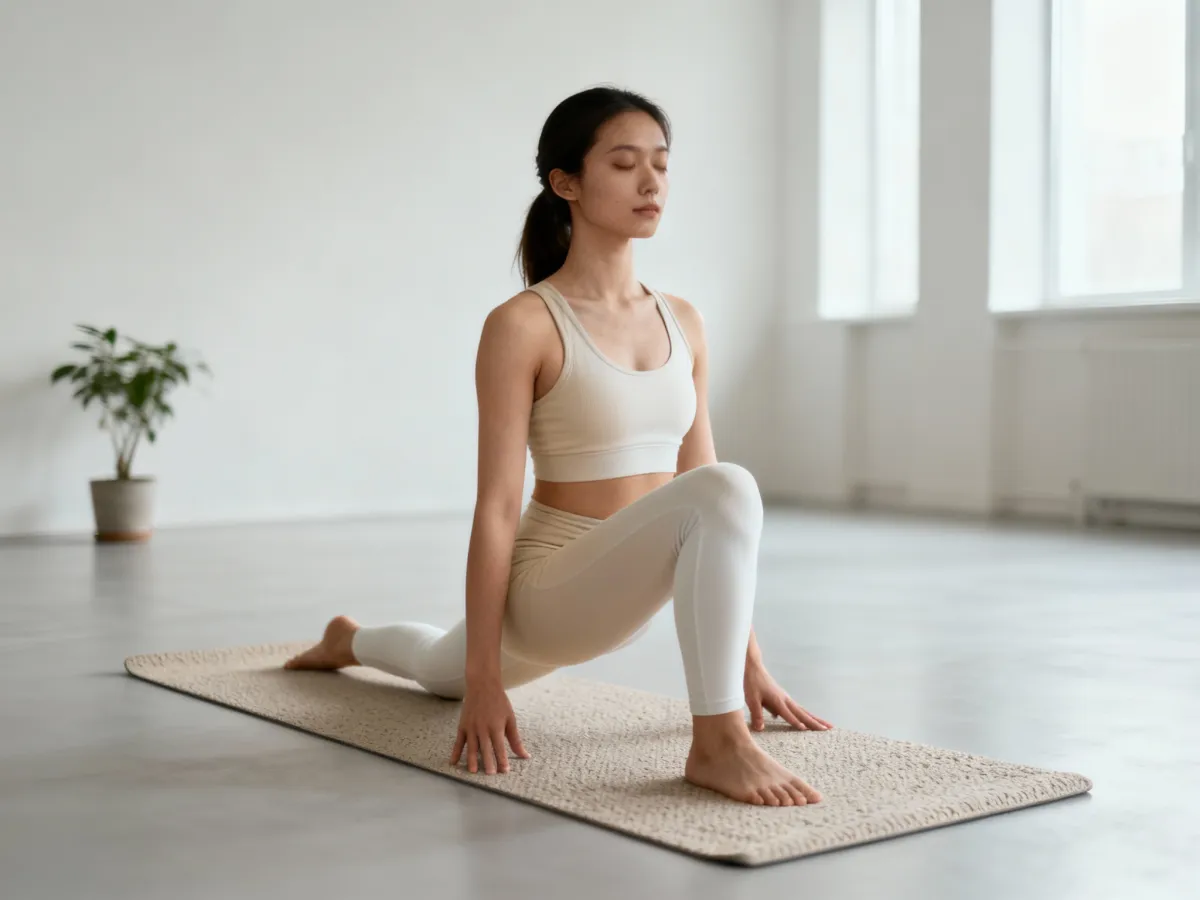
Mobility Flow: Spinal Rolls
Start standing, roll down vertebra-by-vertebra to touch your toes, then return. Move slowly and pay attention to how your back feels. A few repetitions help improve spinal flexibility and morning stiffness.
03

Plank: Core Engagement
Assume a forearm plank with elbows under shoulders. Keep your back flat and abdominals braced. Aim for 20 to 40 seconds per set. When form falters, stop—quality matters more than holding longer.
Quick Home Exercise Tips
Focus on safety and progress first
Start With a Warm-up
Gentle dynamic movements activate muscles and help prevent soreness or injury during your session.
Mind Your Form Always
Control your movements. Never rush—proper alignment shields against common injuries at home.
Schedule Your Sessions
Setting a regular training slot each day supports accountability and helps build lasting habits.
Adapt Intensity Gradually
Add repetitions or variants as strength grows. Listen to your body and scale difficulty with confidence.
Common Home Workout Questions
How do I know my form is safe?
Begin with slow movements and check posture in a mirror. Use online video links for visual guidance.
How do I make workouts harder?
Increase reps, add sets, or reduce rest times. Focus on quality before increasing difficulty.
Can I exercise in a small space?
Most routines require only enough space for a yoga mat—no dedicated gym room needed.
How often should I work out?
Aim for two to four sessions a week to start. Adjust frequency as fatigue and recovery allows.
How do I stay consistent?
Plan sessions in advance and track them with checklists or a printed calendar sheet.
What if I miss a workout?
Resume with your next planned session—consistency is more important than strict perfection.